
Sistemi frenanti 101 — Decisioni di acquisto
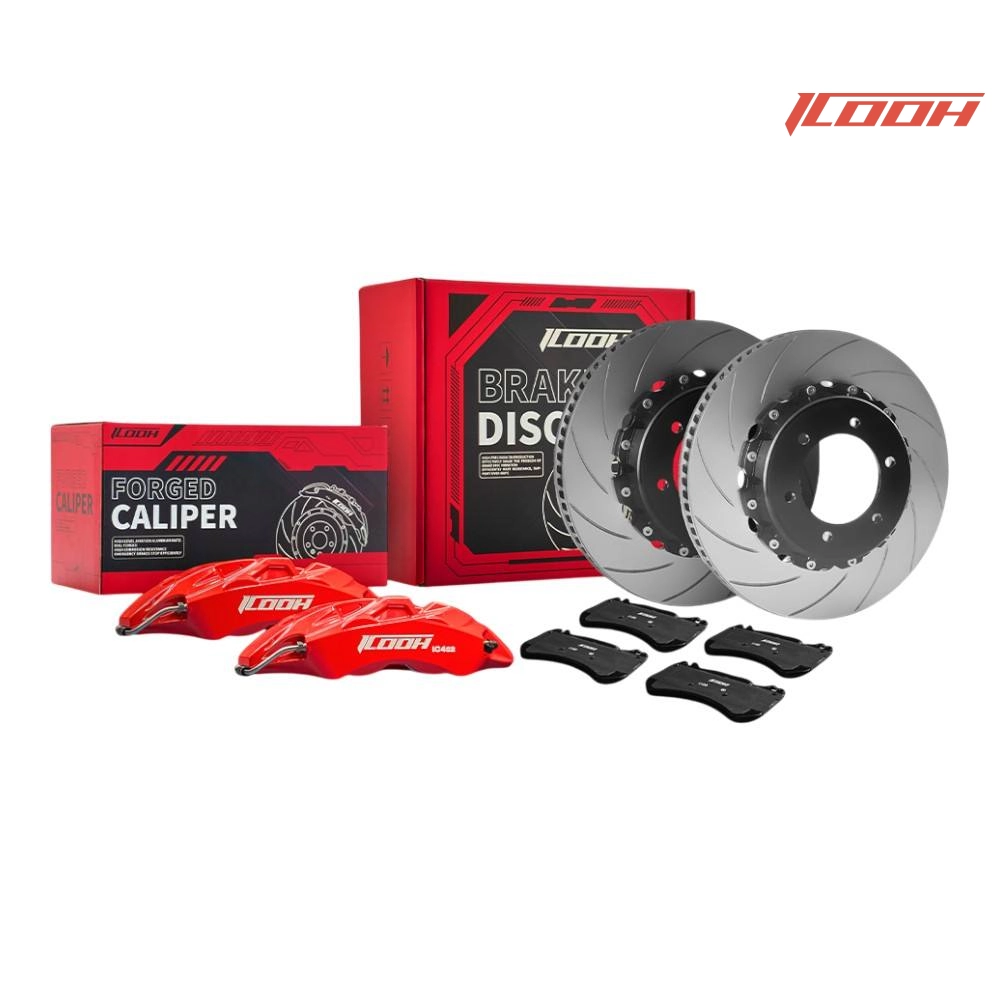
Vale la pena acquistare un kit di freni di grandi dimensioni??
I tuoi freni sembrano completamente normali alla prima frenata brusca. Poi freni forte più volte durante una discesa in montagna o durante una sessione in pista, e il pedale inizia a cambiare o le prestazioni di frenata iniziano a diminuire.
È lì che a Kit freno grande (BBK) inizia ad avere un senso tecnico.
Un BBK è particolarmente utile quando il sistema frenante esistente si sta esaurendo margine di frenata: il margine utilizzabile tra ciò che viene chiesto di fare ai freni e il punto in cui la coppia o la temperatura diventano un fattore limitante.
Vale la pena acquistare un kit Big Brake quando il tuo veicolo si avvicina ripetutamente ai limiti di coppia o termici dei suoi freni attuali e il BBK aumenta direttamente tale capacità limitante. Se il vero problema sono le gomme, liquido dei freni, aria nel sistema idraulico, condizione del rotore, o una mescola per pastiglie inadatta, i freni più grandi da soli non risolveranno il problema.
Stai chiedendo di più ai tuoi freni rispetto a prima?
Prima di decidere che i freni di fabbrica sono inadeguati, stabilire se il loro carico di lavoro è effettivamente aumentato.
La velocità è una delle variabili più grandi. Durante la frenata, l’energia cinetica del veicolo deve essere rimossa, gran parte della quale si manifesta sotto forma di calore nei freni ad attrito.
Perché la velocità è al quadrato, la velocità ha un effetto molto maggiore sull'energia cinetica rispetto alla stessa variazione percentuale della massa. UN 1,600 kg il veicolo ha circa 617 kJ di energia cinetica traslazionale a 100 km/he circa 2.47 MJ A 200 km/ora. A condizioni altrimenti equivalenti, raddoppiando la velocità si dà al veicolo quattro volte l'energia cinetica traslazionale.[1]
I calcoli effettivi dell'energia frenante possono tenere conto anche dei componenti rotanti, resistenza aerodinamica, perdite di trasmissione e velocità finale dell'evento di frenata, ma la relazione velocità-quadrata rimane fondamentale.
La frequenza modifica il carico di lavoro in modo diverso. Un duro arresto potrebbe rientrare comodamente nelle capacità del sistema. Ripetere arresti simili con un tempo di recupero minimo e l'evento di frenata successivo inizia mentre il rotore, il pad e l'hardware circostante trasportano ancora il calore del precedente.
La massa dei veicoli aumenta direttamente la domanda. Se la massa in movimento sale 10% mentre lo stop resta per il resto comparabile, anche il termine dell'energia cinetica traslazionale aumenta di circa 10%.
Il cambio degli pneumatici richiede maggiore attenzione. Una ruota più grande non crea automaticamente più grip. Uno pneumatico che aumenta realmente la trazione disponibile può consentire al veicolo di trasmettere più forza frenante prima di raggiungere il limite del pneumatico-strada, rendendo la capacità di coppia frenante più rilevante di prima.
Nessuna di queste modifiche significa automaticamente “acquista un BBK”. Stabiliscono solo che i freni ora potrebbero lavorare di più. La domanda successiva è cosa raggiunge per primo il suo limite.
Cosa sta effettivamente limitando i tuoi freni?
La “scarsa frenata” non è una diagnosi. Sintomi simili possono derivare da cause molto diverse.
| Quello che noti | Cosa può indicare | Cosa significa per un BBK |
|---|---|---|
| Il pedale risulta morbido o affonda lentamente sotto pressione | Aria, fluido degradato, perdita o altro guasto idraulico | Non è un problema del BBK. Riparare prima il sistema idraulico |
| La frenata è inizialmente forte ma svanisce dopo ripetute frenate brusche | Limite termico del pad, limite termico del fluido o calore accumulato nel sistema | Forse. Identificare quale componente sta raggiungendo il limite |
| Vibrazioni o pulsazioni attraverso il pedale o lo sterzo | DTV, esaurire, depositi irregolari, condizioni del mozzo o gioco dei cuscinetti | Non intrinsecamente risolto da freni più grandi |
| Una sosta dura richiede più tempo del previsto, ma le prestazioni ripetute rimangono costanti | Condizioni degli pneumatici, aderenza alla strada, mescola degli pneumatici o trazione disponibile | Di solito non è un problema di capacità termica |
| La frenata rimane costante ma la coppia frenante utilizzabile è veramente inadeguata | Raggio effettivo del rotore, livello di attrito, forza idraulica o dimensionamento del sistema | Potenziale caso BBK |
La dissolvenza con stop ripetuti può provenire da limiti diversi
Supponiamo che i primi due stop pesanti siano forti ma il quinto sia chiaramente più debole.
Qualcosa ha perso margine termico, ma quel sintomo da solo non ti dice se il componente limitante è il pad, il fluido o l'intero sistema.
Se il pedale rimane relativamente fermo mentre la forza frenante diminuisce, il materiale di attrito potrebbe essersi spostato al di fuori dell'intervallo di temperatura previsto. Ferodo Racing, Per esempio, pubblica intervalli ottimali di 0–500°C per DS2500, 200–750°C per DS1.11 E 300–850°C per DS3.12.[2]
Tali cifre si applicano a quei composti specifici. Il loro valore qui è quello di mostrare perché non esiste una “temperatura di dissolvenza” universale delle pastiglie dei freni.
Se il pedale diventa morbido con l'aumento della temperatura, il fluido merita attenzione. Sotto gli Stati Uniti. FMVSS 116, PUNTO 4 il liquido dei freni deve raggiungere un punto di ebollizione a riflusso di equilibrio secco minimo pari a 230°C (446°F) e un punto di ebollizione a riflusso minimo in equilibrio umido di 155°C (311°F).[3]
Il fluido che si avvicina al suo intervallo di ebollizione può formare vapore comprimibile e modificare il comportamento del pedale anche quando il rotore e la pinza rimangono meccanicamente sani.
Un problema termico a livello di sistema è ancora diverso. Se la pastiglia e il fluido rimangono entro i limiti utilizzabili ma gli arresti ripetuti continuano a far aumentare la temperatura del rotore, il sistema frenante potrebbe assorbire il calore più velocemente di quanto possa gestire durante quel ciclo di lavoro.
La vibrazione del freno non è automaticamente un “rotore deformato”
Anche la pulsazione del pedale o le vibrazioni del volante non determinano la necessità di freni più grandi.
Variazione dello spessore del disco (DTV) è una causa riconosciuta di vibrazioni dei freni, ma la diagnosi dovrebbe considerare anche l'eccentricità del rotore, contaminazione del mozzo, problemi di installazione e gioco dei cuscinetti delle ruote.[4]
Delphi fornisce un'utile illustrazione della sensibilità coinvolta: contaminazione di circa 0.05 mm tra il mozzo e il disco può produrre più di 0.1 mm di eccentricità assiale sulla superficie frenante.[4]
Un rotore più grande non correggerà una superficie del mozzo sporca o un errore di montaggio.
Un grande kit di freni cambierà la cosa che ti limita?
Un BBK modifica diverse variabili fisiche, ma la capacità extra è utile solo quando una di queste variabili sta già vincolando il veicolo.
Brembo descrive la coppia del freno a disco come dipendente raggio effettivo del rotore, forza di bloccaggio della pinza e coefficiente di attrito. Aumentando il raggio effettivo mantenendo costanti le altre variabili, si aumenta la coppia frenante.[5]
L'area del pistone della pinza influisce sui requisiti di forza idraulica e volume del fluido, quindi deve essere considerato insieme al dimensionamento della pompa freno e al bilanciamento del freno. Il solo conteggio dei pistoni non determina la forza di bloccaggio.
Il design del rotore tiene conto della capacità termica. Una massa maggiore del rotore può consentire al disco di assorbire più energia per un dato aumento di temperatura, mentre la ventilazione e il flusso d'aria influenzano l'efficacia con cui il calore immagazzinato lascia il rotore.
Per frenate ripetute, l'idea utile è semplice: se il successivo hard stop arriva prima che il sistema si sia sufficientemente ripreso da quello precedente, le temperature continuano a salire. Tieni traccia delle sessioni, le discese in montagna e l'autocross possono comportare frenate brusche, ma le loro richieste termiche possono essere molto diverse a causa della velocità, la ripetizione e il tempo di recupero sono diversi.

| Limitazione attuale | Un BBK può cambiarlo? | Motivo |
|---|---|---|
| Aderenza degli pneumatici su una frenata dura | NO | L'hardware del freno non aumenta l'attrito pneumatico-strada |
| Il cuscinetto supera l'intervallo di temperatura utile | Solo se cambia il pad | L'hardware più grande non altera il raggio d'azione di un composto inadatto |
| Il fluido si avvicina al limite di ebollizione | Non da solo | Le specifiche e le condizioni del fluido rimangono vincoli separati |
| Il sistema accumula calore eccessivo in caso di arresti ripetuti | Potenzialmente sì | Una maggiore capacità del rotore e un raffreddamento efficace possono estendere le prestazioni di uso ripetuto |
| La coppia frenante disponibile è veramente insufficiente | Potenzialmente sì | Raggio effettivo, l'attrito e la forza idraulica possono aumentare la coppia disponibile |
| Incoerenza del pedale | Dipende dalla causa | I guasti idraulici richiedono una riparazione; la rigidità della pinza riguarda solo il contributo strutturale |
Consideriamo nuovamente l'esempio delle fermate ripetute. Se il tampone ha superato il range utile di quel particolare composto, montare una pinza più grande mantenendo lo stesso materiale d'attrito non idoneo lascia invariato il limite reale.
Se la pastiglia e il fluido rimangono stabili mentre la temperatura del rotore continua ad aumentare perché il sistema non è in grado di assorbire e respingere il calore richiesto in modo sufficientemente efficace, la capacità aggiuntiva del rotore e la capacità di raffreddamento risolvono il vero collo di bottiglia.
Di quanto spazio di frenata hai effettivamente bisogno?
L'altezza di frenata è il margine tra il carico di lavoro creato regolarmente dal veicolo e il punto in cui le prestazioni di frenata utili iniziano a deteriorarsi.
Considera un'auto che non sbiadisce mai, mantiene un comportamento stabile del pedale e produce già una coppia frenante sufficiente per raggiungere il limite di trazione disponibile del pneumatico durante una frenata brusca. Un BBK potrebbe comunque aumentare sostanzialmente la capacità teorica, ma gran parte di quella capacità aggiuntiva non ha alcun ruolo da svolgere durante l’uso reale dell’auto.
Consideriamo ora un veicolo che utilizzi pastiglie adeguate e fresche, fluido adatto che sviluppa ancora una temperatura del rotore in aumento e una consistenza in diminuzione durante ripetute frenate ad alta energia. Una maggiore capacità termica ha uno scopo chiaro.
Diametro del rotore, il numero dei pistoni e l'aspetto della pinza non ti dicono in quale situazione ti trovi.
Una misura più utile è per quanto tempo il sistema può mantenere la coppia e la consistenza richieste prima che si verifichi la condizione limitante.
Quanto costa l'headroom extra?
Non esiste un prezzo universale al quale un BBK diventi utile.
Il costo varia con:
- piattaforma del veicolo;
- copertura dell'asse;
- dimensioni e costruzione del rotore;
- specifica della pinza;
- forma del cuscinetto;
- linee incluse, staffe e hardware.
Anche i materiali di consumo contano. Alcuni sistemi utilizzano dimensioni maggiori, formati di pad e rotori non comuni o proprietari, che possono influire sui costi di sostituzione e sulla scelta dei componenti. Ciò dipende dal prodotto e non è una proprietà universale di ogni BBK.
Il montaggio merita lo stesso approccio specifico del veicolo. Il solo diametro della ruota non dimostra che una pinza possa liberare la canna e i raggi.
Per questo motivo i produttori di freni ad alte prestazioni forniscono comunemente modelli di montaggio fisici o stampabili. Essex, Per esempio, specifica a 2 mm di spazio minimo per la propria procedura di modello di montaggio AP Racing by Essex.[6]
Quel numero non dovrebbe essere trattato come una regola di autorizzazione BBK a livello di settore. Altri produttori possono specificare minimi diversi, quindi il requisito corretto è sempre quello pubblicato per l'esatta combinazione di kit freni e ruote da controllare.

Anche la compatibilità idraulica deve essere progettata piuttosto che scontata. Zona pistone, comportamento del cilindro principale, Il bilanciamento dei freni dalla parte anteriore a quella posteriore e i sistemi di controllo del veicolo influenzano tutti il comportamento del sistema finito.
Il calibro più grande che si adatta fisicamente non è automaticamente il calibro più adatto.
Ciò che un BBK non risolverà ancora
Un BBK non può creare aderenza degli pneumatici, rimuovere l'aria dal sistema idraulico, riparare una pompa freno che perde, correggere l'eccentricità del mozzo o realizzare una mescola della pastiglia inadatta e adatta all'intervallo di temperature richiesto.
Inoltre, una pinza fissa a più pistoncini non garantisce da sola la sensazione ideale del pedale.
Una maggiore rigidità strutturale può ridurre la deformazione della pinza sotto carichi di serraggio elevati, ma la risposta del pedale dipende ancora dall'area del pistone, dimensionamento della pompa freno, condizione fluida, sanguinamento, comprimibilità delle pastiglie e condizioni meccaniche del sistema.
Il gioco delle ruote rimane un duro vincolo fisico, e il comportamento dei cuscinetti rimane specifico del composto. Alcuni materiali di attrito a temperatura più elevata possono compromettere la risposta a bassa temperatura, rumore, polvere o comfort per prestazioni a temperature elevate; altri potrebbero comportarsi diversamente. Tali caratteristiche devono essere valutate dalle specifiche effettive del pad piuttosto che dedotte dall'etichetta BBK.
COSÌ, Vale la pena acquistare un kit di freni di grandi dimensioni??
Per un veicolo che dispone già di una coppia frenante sufficiente per sfruttare l'aderenza disponibile degli pneumatici e che rimane coerente durante il suo ciclo di lavoro di frenata reale, un BBK può aggiungere una capacità sostanzialmente maggiore di quella che utilizzerà il conducente.
Il caso diventa molto più forte quando il sistema viene mantenuto correttamente, dotato di pastiglie e liquido idonei, si avvicina ripetutamente a un limite di coppia o termico reale e il BBK proposto aumenta direttamente la capacità in quell'area.
Ciò lascia ancora vincoli pratici come il costo dei materiali di consumo, Gioco delle ruote e compatibilità idraulica, tutto ciò dovrebbe essere controllato rispetto al kit specifico piuttosto che dedurre dalle dimensioni del rotore o dal numero di pistoni.
Inizia con il comportamento che puoi effettivamente osservare. Identifica la causa, verificare quindi se l'impianto frenante proposto modifica tale variabile. Ciò è sufficiente per capire se la capacità aggiuntiva abbia davvero un ruolo da svolgere.
Fonti & Riferimenti tecnici
- Energia di frenata del veicolo / analisi dell'energia cinetica — relazione standard traslazionale-energia cinetica, E = ½mv², applicata all'analisi dell'energia di frenata.
- Ferodo Racing — Informazioni tecniche sulle pastiglie freno — Intervalli di temperatura operativa pubblicati per DS2500, Composti DS1.11 e DS3.12.
- 49 CFFR§ 571.116 — Liquidi per freni di veicoli a motore - NOI. FMVSS 116 requisiti che regolano le prestazioni del liquido dei freni DOT.
- Delphi: come prevenire le vibrazioni dei freni — orientamenti tecnici sulla DTV, eccentricità del rotore, contaminazione del mozzo e relativi fattori diagnostici.
- Brembo: guida alla progettazione dei freni a disco — rapporto tra raggio effettivo del disco, forza di serraggio e coefficiente di attrito.
- Servizi ricambi Essex: come controllare il gioco delle ruote del kit freni grandi — procedura del modello di montaggio specifica del produttore e 2 Raccomandazione sulla distanza in mm.