
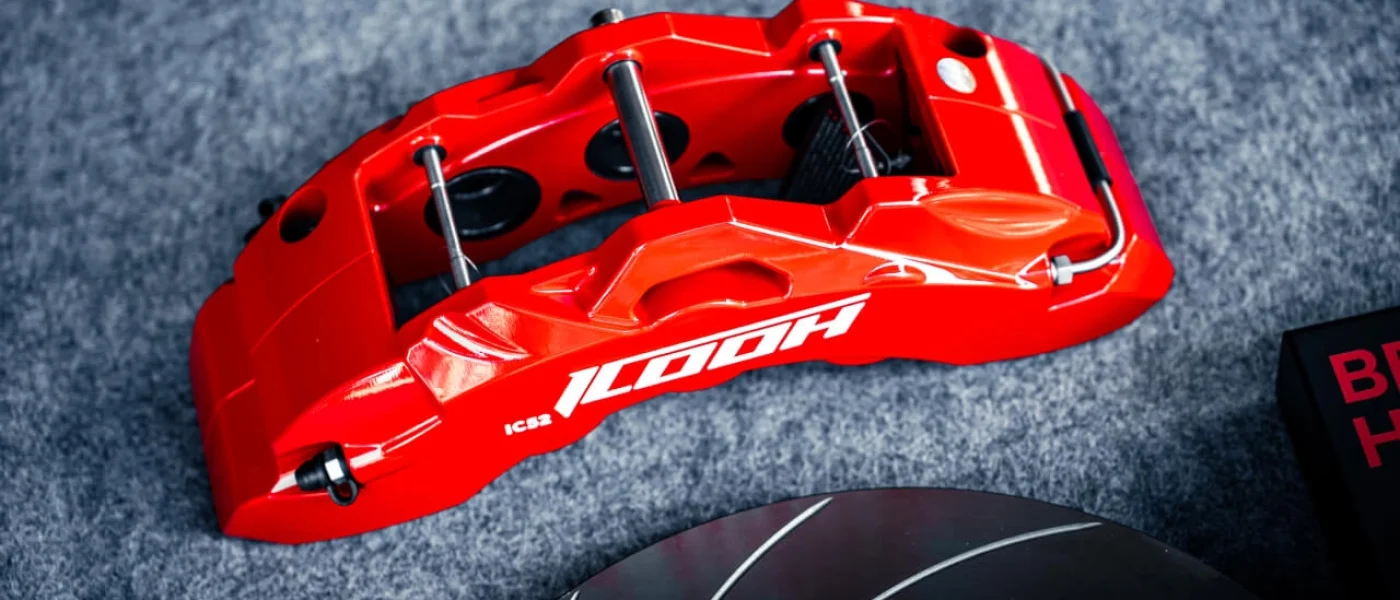
Red brake calipers can be a simple visual upgrade or the most visible part of a complete performance braking system. That difference explains why prices vary so widely. A painted factory caliper may cost only a few hundred dollars, while a multi-piston big brake kit with rotors, pads, brackets, and hardware can cost several thousand.
This guide explains typical red brake caliper costs, what is included at each price level, and which additional expenses to plan for before ordering parts.
How Much Do Red Brake Calipers Cost?
As a general market estimate, red brake calipers cost about $100 to $300 per caliper for entry-level replacement parts, $300 to $800 per caliper for many new aftermarket options, and approximately $1,200 to more than $4,000 for a complete performance brake kit. Professional installation can add roughly $150 to $500 or more, depending on the vehicle and the scope of work.

| Upgrade type | Typical price range | Best suited for |
|---|---|---|
| DIY caliper paint kit | $30–$100 | Appearance-only upgrade |
| Professional caliper painting | $200–$600 for four | Factory calipers with a durable color change |
| Entry-level red replacement caliper | $100–$300 each | Standard road use or basic replacement |
| Aftermarket performance caliper | $300–$800 each | Enthusiast street driving |
| Complete multi-piston brake kit | $1,200–$4,000+ | Performance street, track, or premium builds |
These figures are planning ranges rather than fixed quotes. Vehicle application, caliper size, piston count, materials, included components, taxes, shipping, and local labor rates can all change the final total.
Why Red Brake Caliper Prices Vary
Cosmetic finish versus functional upgrade
Color alone does not improve stopping performance. Painting or powder-coating an existing caliper changes its appearance, but the original piston area, body stiffness, pad size, and heat capacity remain the same. A performance caliper is engineered as a braking component first and may use a larger body, additional pistons, stronger materials, and pads with greater surface area.
Number of pistons
Single- and dual-piston replacement calipers are generally less expensive. Four-, six-, and eight-piston designs require more machining, seals, hardware, and engineering. They may provide more even pad pressure and support larger pads, but the caliper must still be correctly matched to the master cylinder, rotor, vehicle weight, and rear brake balance.
Construction and manufacturing method
Calipers may be cast, forged, or machined from billet aluminum. Manufacturing method, alloy selection, bridge design, surface treatment, and quality-control requirements all affect price. Lightweight forged designs often cost more because they aim to combine stiffness, strength, corrosion resistance, and reduced unsprung mass.
Vehicle fitment
A common replacement caliper for a mass-market vehicle is usually easier to source than a model-specific performance conversion. Larger calipers may need custom brackets, different brake lines, larger rotors, revised dust shields, or wheels with more spoke clearance. Always check wheel diameter, spoke profile, hub dimensions, and rotor offset—not just the vehicle model.
What Is Included in a Complete Red Brake Caliper Kit?
A low advertised price may cover only the caliper body. A complete front or rear upgrade can include:
- Red multi-piston calipers
- Larger rotors or two-piece discs
- Vehicle-specific mounting brackets
- Brake pads selected for street or track use
- Stainless-steel braided brake lines
- Fasteners, adapters, and installation hardware
Compare quotes component by component. A higher-priced kit can offer better value if it includes the rotors, lines, pads, and brackets that a lower-priced package leaves out. ICOOH big brake kits are available in multiple caliper configurations for different vehicle and wheel requirements.
Installation and Other Costs to Budget For
Labor is only one part of the installed price. The workshop may also need to replace brake fluid, bleed the hydraulic system, machine or replace rotors, install new pads, or test wheel clearance. Older vehicles can require extra time if hoses, fittings, or mounting hardware are seized or damaged.
A complete performance kit normally takes longer to fit than a like-for-like replacement caliper. After installation, the pads and rotors should be bedded according to the component manufacturer’s procedure. Brake work affects vehicle safety, so installation and inspection should be handled by a qualified technician when the owner does not have the correct tools and experience.
Is Painting Existing Calipers a Cheaper Option?
Yes, if the goal is appearance and the existing calipers are in good condition. A DIY coating kit is the least expensive route, while professional painting or powder coating usually produces a more consistent finish. Surface preparation matters: dirt, brake dust, corrosion, and fluid contamination can cause the coating to fail.
Painting worn or leaking calipers is not a substitute for repair. The technician should inspect seals, pistons, slide pins, boots, hoses, pads, and rotors before refinishing the parts. Avoid coating piston surfaces, bleeder screws, hose connections, pad contact areas, or other functional interfaces.
Are Red Brake Calipers Worth the Cost?
They can be, provided the product matches the objective. For a daily driver with healthy brakes, professional refinishing can deliver the desired look at a moderate cost. For a powerful street car, heavy vehicle, repeated mountain driving, or track use, a properly engineered brake package may improve heat management, pedal consistency, and fade resistance.
Do not judge a braking upgrade by color or piston count alone. Rotor size, pad compound, tire grip, brake balance, fluid condition, cooling, wheel clearance, and vehicle use all influence the result. The best purchase is a compatible system rather than the largest caliper that fits the budget.
How to Choose the Right Red Brake Calipers
- Define the goal. Decide whether the priority is styling, replacement, street performance, or track durability.
- Confirm exact fitment. Provide the vehicle year, make, model, trim, wheel size, and any suspension or hub modifications.
- Check what the quote includes. Compare calipers, rotors, pads, brackets, lines, hardware, shipping, and warranty.
- Match front and rear balance. Ask whether the proposed setup changes hydraulic bias or requires related rear-brake components.
- Budget for installation and bedding. Include fluid, labor, alignment checks where relevant, and the correct break-in process.
Frequently Asked Questions
Are red calipers more expensive than standard calipers?
They can be. A special paint or powder-coated finish adds processing cost, while branded multi-piston calipers also include performance engineering and more complex manufacturing. The color itself is not the main cost driver in a complete kit.
Do red brake calipers improve braking?
Not automatically. A red finish is cosmetic. Performance depends on the caliper design and how it works with the rotors, pads, tires, brake fluid, and the rest of the vehicle.
Can factory brake calipers be painted red?
Yes, if they are mechanically sound and prepared correctly. Use a coating intended for brake temperatures and protect every sealing, sliding, threaded, and friction surface.
Can larger calipers fit behind factory wheels?
Sometimes, but wheel diameter is not enough to confirm clearance. Spoke shape, inner barrel diameter, offset, and the position of the caliper relative to the hub must be checked with a fitment template or accurate measurements.
Get a Vehicle-Specific Brake Kit Quote
Red brake calipers can cost from a modest cosmetic upgrade to several thousand dollars for a complete high-performance system. The most useful quote is based on the exact vehicle, wheel clearance, driving conditions, and required components. Contact ICOOH with your vehicle and wheel details to discuss a compatible street, performance, wholesale, or OEM/ODM brake solution.