Brake caliper color is a small detail with a large visual effect. Through an open wheel design, a bright caliper can make a standard road car look more purposeful, while a neutral finish can keep an upgrade clean and factory-like. The best brake caliper color depends on the vehicle paint, wheel finish, how much contrast you want, and how much routine cleaning you are willing to do.
This guide compares the most popular caliper colors and explains how to choose a finish that works with the whole vehicle rather than competing with it.
What Is the Best Brake Caliper Color?
There is no single best choice for every vehicle. Red is the classic performance option, yellow gives the strongest high-contrast look, blue feels modern and distinctive, black is discreet and practical, and silver or gray suits an OEM-plus or premium style. The right answer is the color that matches the car’s character and remains visible in a way you enjoy.
| Caliper color | Visual effect | Typical pairing | Maintenance visibility |
|---|---|---|---|
| Red | Sporty and recognizable | White, black, gray, silver, blue | Moderate |
| Yellow | Bold, high-energy contrast | Black, graphite, dark blue | High |
| Blue | Modern and refined | White, silver, gray, black | Moderate |
| Black | Stealthy and factory-clean | Any exterior color | Low |
| Silver or gray | Technical, premium, OEM-plus | Luxury or neutral color palettes | Low to moderate |
Red Brake Calipers: The Performance Classic
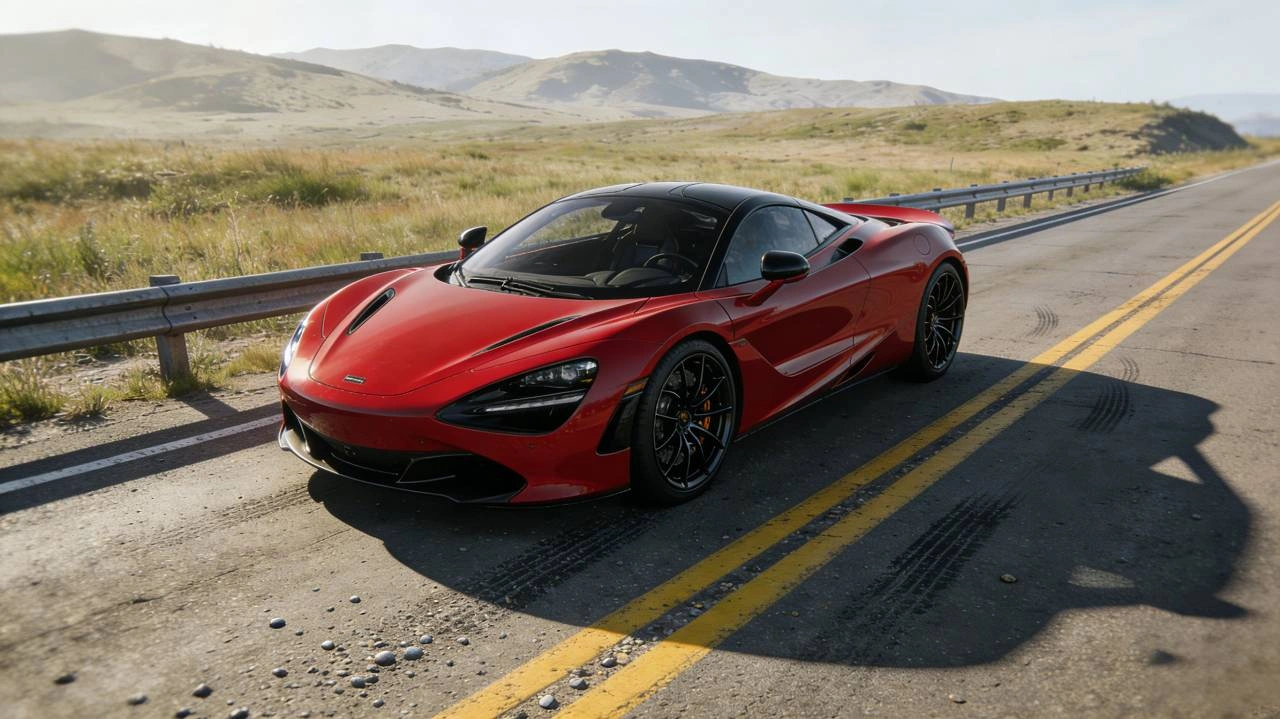
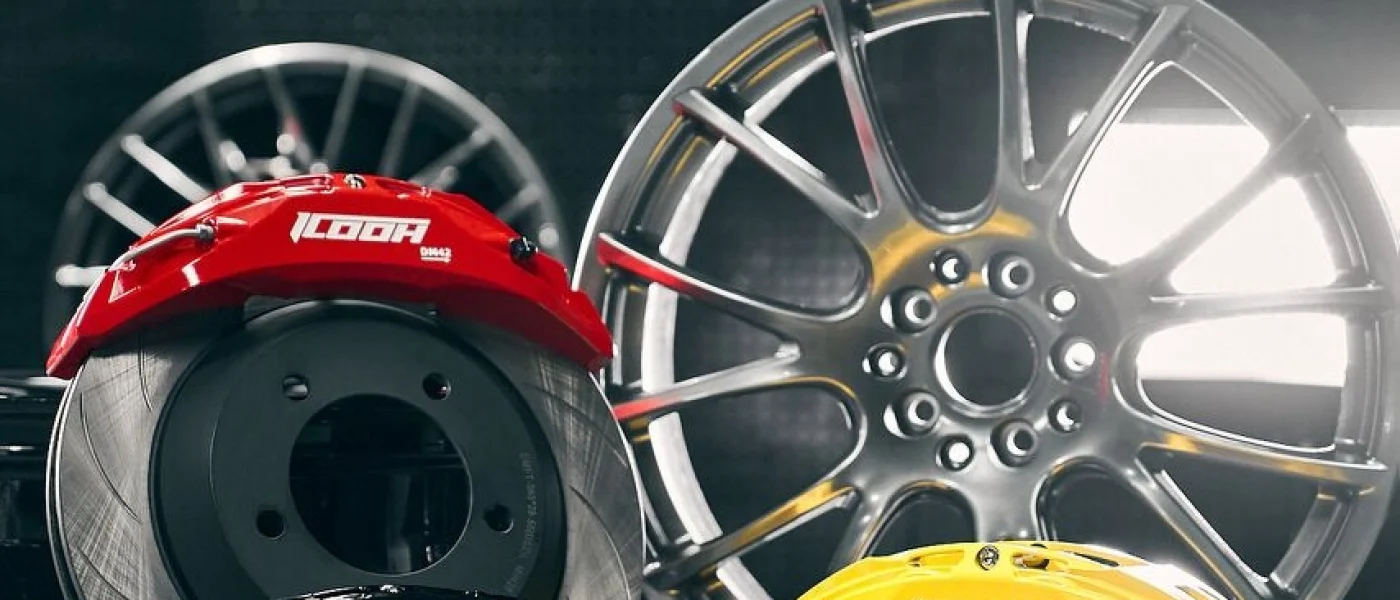
Red is the most familiar performance-inspired finish because it creates an immediate focal point behind the wheel. It works especially well with black, white, silver, gray, and many shades of blue. It also remains readable behind multi-spoke wheels, where a smaller caliper can otherwise disappear.
Choose red when you want the braking system to look intentional and athletic. A gloss finish feels more dramatic; satin or matte red can look more restrained. Red is a strong choice for a road car, a show build, or a vehicle fitted with a big brake kit.

Yellow Brake Calipers: Maximum Contrast
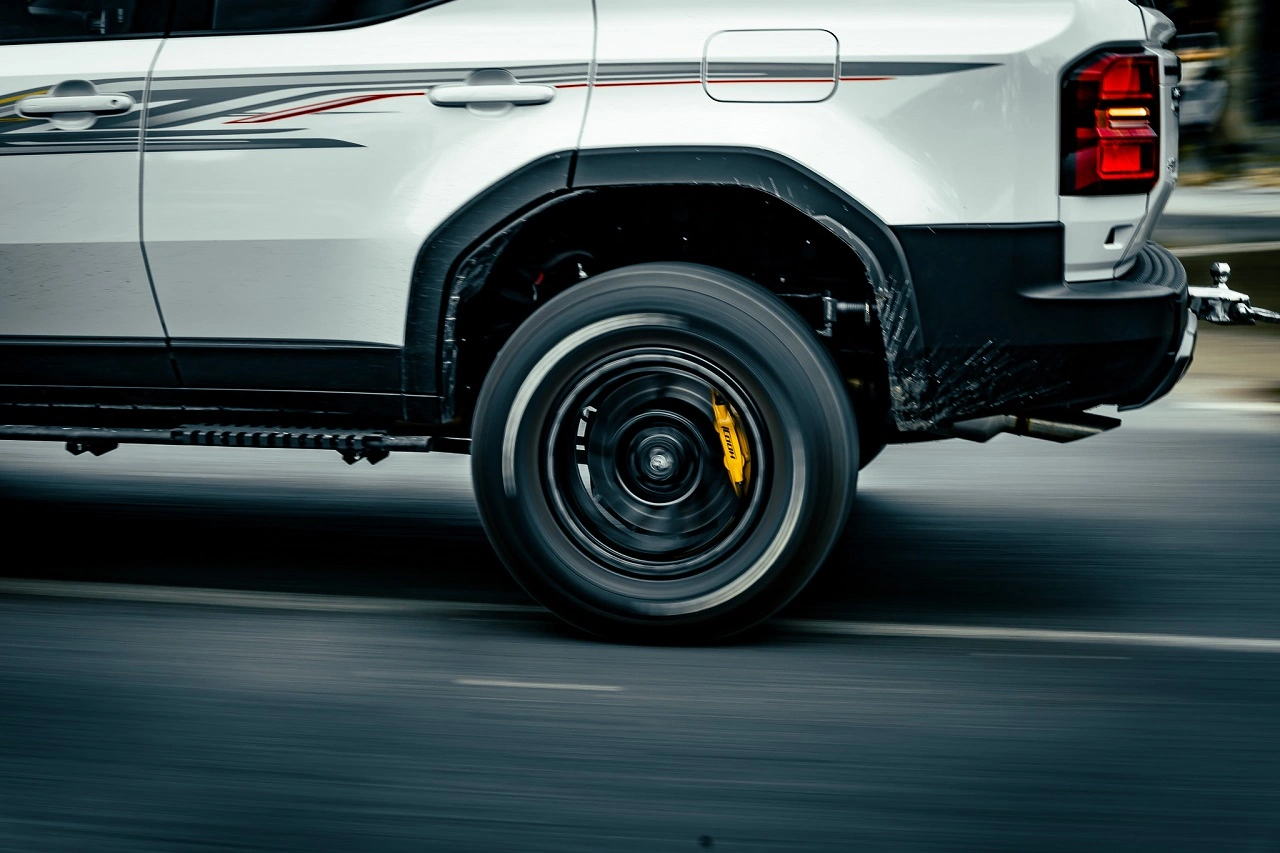
Yellow calipers attract attention quickly, particularly behind black, dark gray, or deep blue wheels and paint. The color creates a supercar-inspired appearance, but it needs the rest of the vehicle to support that energy. A bright yellow caliper can look excellent with a dark, simple wheel, while a wheel with many contrasting accents may make the result feel busy.
Yellow shows road dust more easily than black or gray. If the vehicle is used daily, plan to clean the wheel barrels and calipers regularly to keep the finish sharp.

Blue Brake Calipers: A Modern Alternative
Blue is a useful middle ground for owners who want color without the familiar red-and-yellow performance look. Light blue can complement white, silver, or lighter gray paint. Dark navy and cobalt work well with black, charcoal, and metallic gray vehicles. The result can feel technical, premium, or motorsport-inspired depending on the shade and finish.
Blue is also a practical option when a wheel already has a cool-toned accent, such as a brushed-metal face or blue center caps. Keep the number of accent colors limited so the caliper remains a deliberate design element.
Black Brake Calipers: The Low-Maintenance Choice
Black is the safest option when you prefer a clean, understated appearance. It pairs with every body color and does the best job of concealing normal brake dust. Gloss black can still look premium through an open wheel, while satin and matte finishes create a more technical or stealth-oriented style.
For a daily driver, black is often the most practical answer. It will not create the visual impact of a bright finish, but it lets the wheel design and body paint remain the main focus.
Silver and Gray: OEM-Plus With a Premium Feel
Silver, titanium, and gray finishes give a brake system a clean mechanical look. They work well on executive sedans, luxury SUVs, and cars with polished, machined, or graphite wheels. These colors can make larger calipers look substantial without appearing overly flashy.
Gray is also forgiving as the vehicle accumulates dust from normal use. If you want a color that feels close to an upgraded factory specification, silver or gray is a smart place to start.
Match the Color to Paint, Wheels, and Use
Start with the largest visible surfaces: exterior paint and wheel finish. A contrasting caliper is most effective when the car and wheel colors are relatively simple. For example, a black car with black wheels can carry red or yellow calipers well. A white car with bright silver wheels may look balanced with red, blue, or dark gray.
- White or silver cars: red, blue, black, or gray all work well.
- Black or charcoal cars: red, yellow, blue, and silver create useful contrast.
- Blue cars: red creates contrast; dark blue or gray gives a more coordinated look.
- Bright body colors: black, gray, or a carefully matched neutral caliper avoids visual overload.
Wheel clearance and spoke design matter too. A six-piston caliper is far more visible behind a thin-spoke wheel than behind a dense turbine-style design. Before ordering, check the fitment template and the visible area through the chosen wheels.
Paint, Powder Coat, or Buy Finished Calipers?
Refinishing existing calipers can be a cost-effective cosmetic project if they are mechanically sound. Use a brake-temperature-rated coating, prepare the surface thoroughly, and keep coating away from seals, pistons, pad contact areas, bleeders, hoses, and threads. Poor preparation can lead to peeling, corrosion, or difficult future service.
For a performance upgrade, a complete caliper kit with a factory-applied finish can be the better route. It combines the color choice with matched rotors, pads, brackets, and hardware. Color itself does not increase braking performance; the underlying caliper, rotor, pad, fluid, tire, and fitment choices do.
Choose the Finish as Carefully as the Color
Gloss paint reflects light and makes a color look brighter. Satin has a softer, upscale appearance and hides minor marks better. Matte finishes can look modern, although they may require more specific cleaning products. Logos, hardware colors, and rotor hats should also be considered. A small contrasting logo can add detail, while too many colors can make the brake package look disconnected.
Frequently Asked Questions
Does brake caliper color improve braking performance?
No. The color is cosmetic. Braking performance depends on system design, pad compound, rotor size, heat management, fluid condition, tires, and correct installation.
Which caliper color hides brake dust best?
Black and darker gray are usually the easiest finishes to live with. Bright yellow, white, and light silver tend to make dust more visible.
Should the calipers match the body color?
They can, but they do not have to. Complementary contrast often produces a clearer result than an exact paint match. Test a few combinations against a photo of your car and wheels before committing.
Can I change caliper color without changing brake parts?
Yes, if the current calipers are in good working order. Have them inspected first, then use a professional coating process or a carefully applied brake-caliper paint system.
Get a Color and Fitment Recommendation
The best brake caliper color is one that supports the vehicle’s overall design and your real maintenance expectations. Share your vehicle year, model, paint color, wheel size, and wheel finish with ICOOH to discuss compatible caliper colors, wheel clearance, wholesale options, or an OEM/ODM performance brake solution.