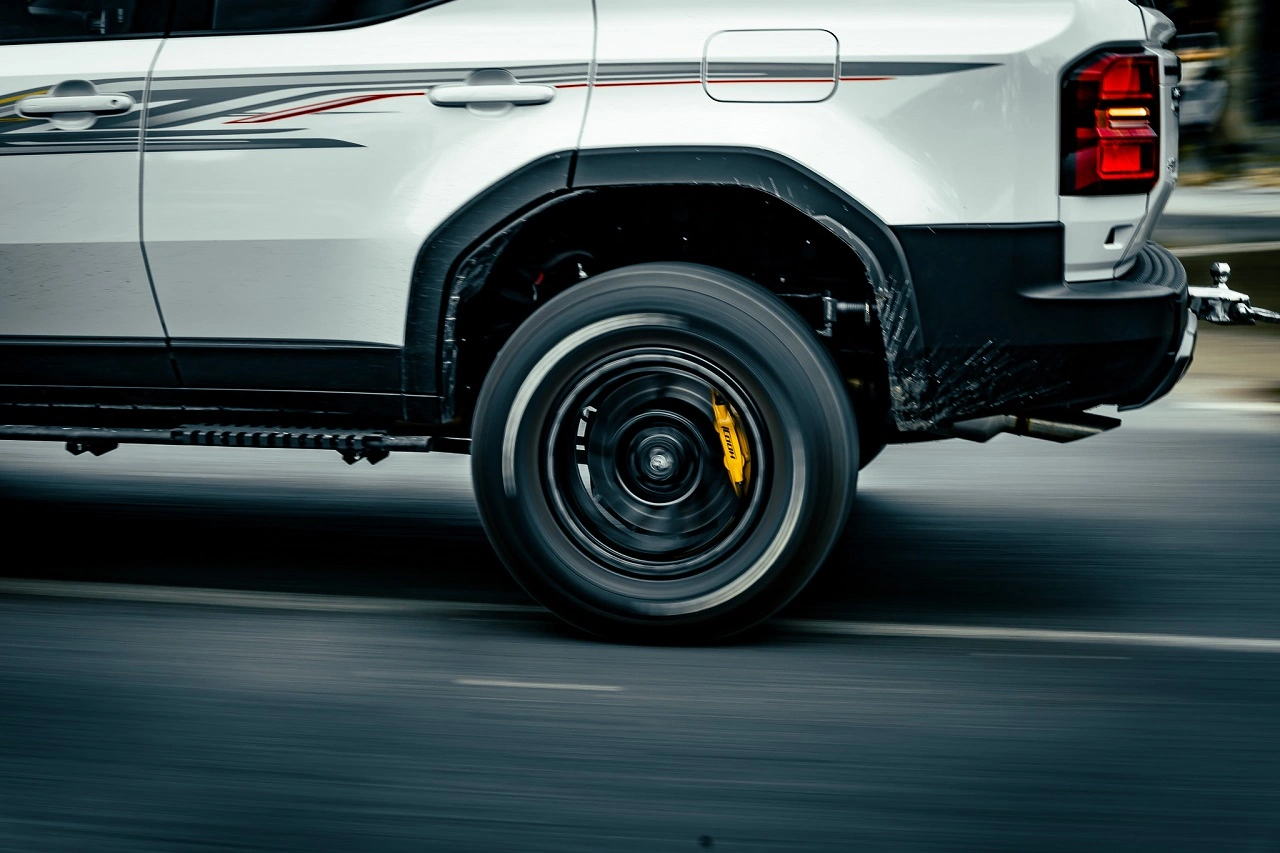
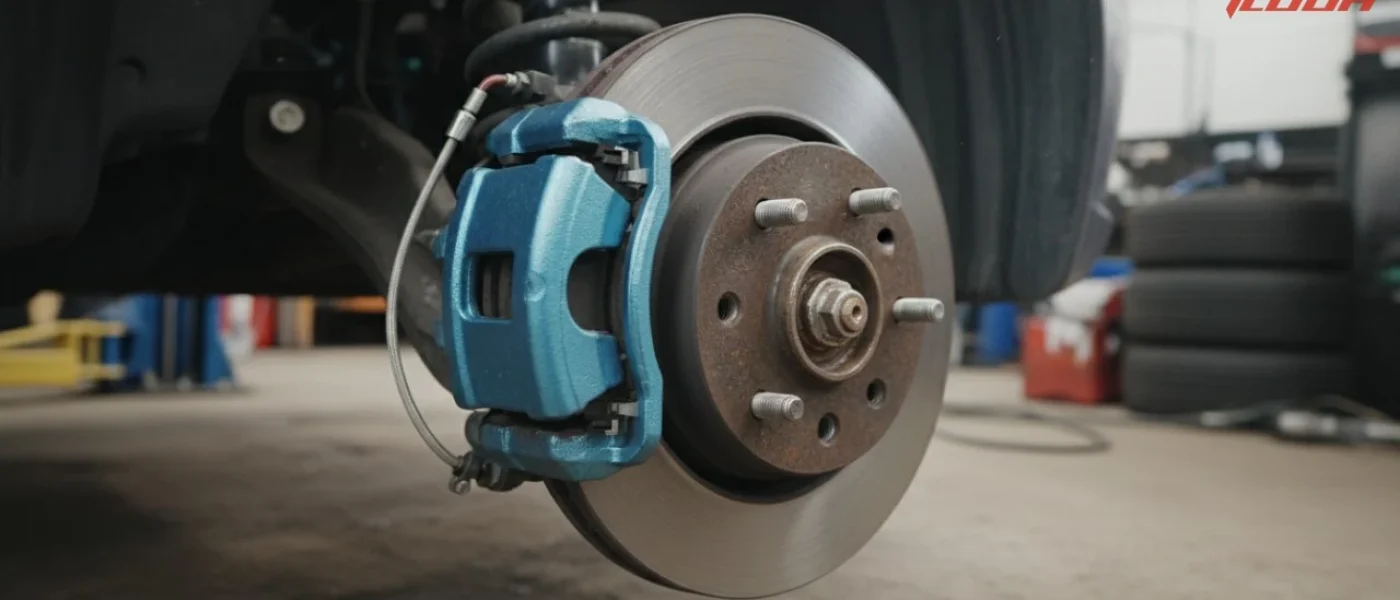
- Disc Brakes: Best for performance, heat dissipation, and wet conditions.
- Drum Brakes: Best for cost savings and rear-wheel applications in economy cars.
- Regenerative Brakes: Best for city driving, fuel efficiency, and extending friction pad life in hybrids/EVs.
- Quick Verdict: Modern safety standards favor a disc/regen combo for daily drivers in 2026.

What Is a Brake System in a Vehicle, and How Does It Work?
A brake system in a vehicle is a mechanical or electronic assembly designed to inhibit motion by converting kinetic energy into thermal energy (heat) or electrical energy. It utilizes friction (pads/shoes against rotors/drums) or electromagnetic resistance to decelerate the wheels. Key components include the master cylinder, brake lines, calipers, and the pedal interface.
Understanding the hydraulic braking mechanism efficiency is crucial for modern drivers. In traditional systems, when you press the brake pedal, Pascal’s Law dictates that the pressure applied to the fluid inside the master cylinder is transmitted equally to the brake calipers or cylinders at the wheels. This hydraulic force multiplies your foot’s pressure, allowing a human to stop a 2-ton vehicle.
Core Components
- Master Cylinder: The heart of the hydraulic system.
- Brake Lines: Steel or braided hoses that transport fluid.
- Friction Material: Pads or shoes that degrade over time to absorb energy.
The Three Contenders: Disc, Drum, and Regenerative Explained
Disc brakes are the industry standard, using calipers to squeeze pads against a spinning rotor. Drum brakes are the enclosed system where shoes press outward against a spinning cylinder. Regenerative braking is the EV solution that reverses the electric motor to slow the car and recharge the battery.
While disc and drum brakes rely solely on friction, regenerative systems introduce a new variable: energy recapture. This fundamental difference drives the evolution of automotive safety in 2026.
Head-to-Head: Disc Brakes vs. Drum Brakes
Disc brake calipers vs. drum shoes represent the classic battle between performance and cost. Disc brakes are superior for heat dissipation because the rotor is exposed to the air, whereas drum brakes are enclosed, trapping heat.
Heat Dissipation & Fading
Brake fade occurs when heat builds up faster than it can be shed. According to physics research highlighted by scientific journals, disc brakes are significantly more efficient than drums because their open design allows for direct convection cooling. In mountain driving or towing scenarios, this prevents the dangerous “spongy” pedal feel.
Water Performance
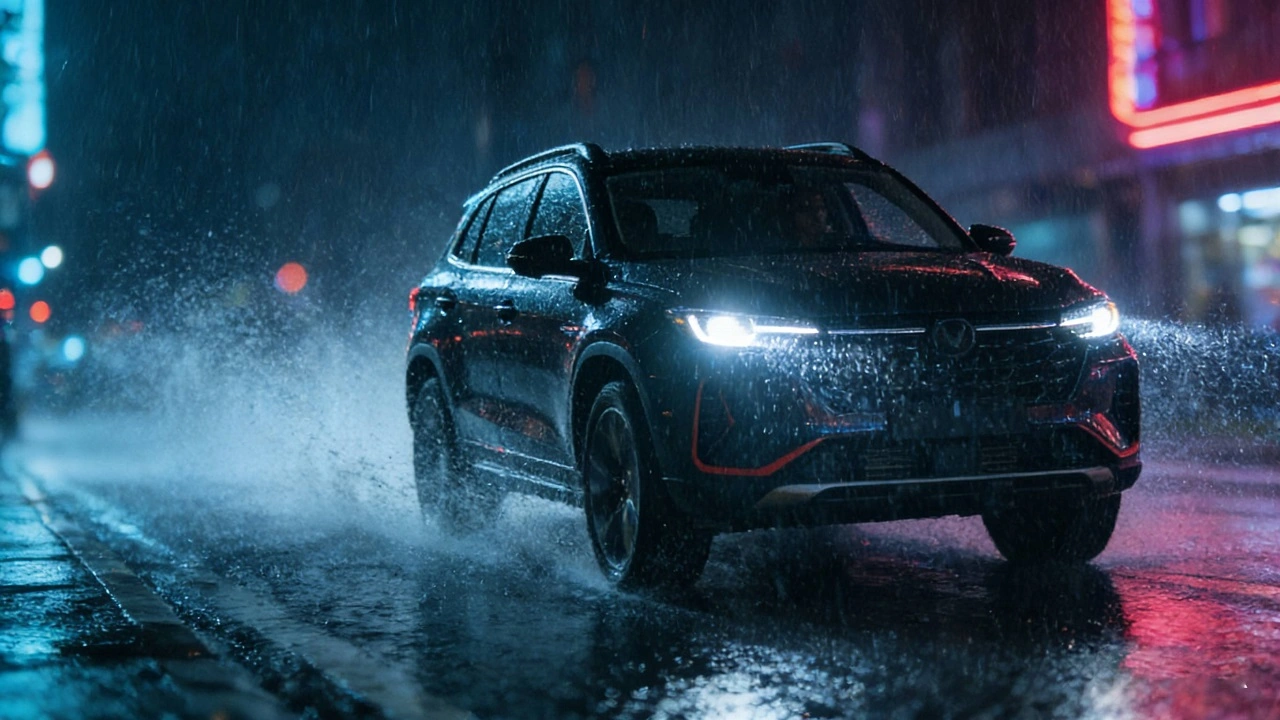
- Discs: Centrifugal force spins water off the rotor, maintaining grip in rain.
- Drums: Water can pool inside the drum, temporarily reducing braking power until it evaporates.
Cost vs. Complexity
Despite the performance gap, manufacturers still use drums on the rear wheels of 2026 economy models. Why? They are cheaper to manufacture and act as an effective parking brake mechanism.
The EV Revolution: Is Regenerative Braking Superior?
Regenerative braking energy recovery transforms the stopping process from a waste of energy into a gain. Instead of losing kinetic energy as heat, the electric motor acts as a generator, sending electricity back to the battery pack.
One-Pedal Driving
In many modern EVs, letting off the accelerator engages regeneration strong enough to bring the car to a stop without touching the brake pedal. This changes driver behavior and reaction times significantly.
Efficiency Stats
According to the U.S. Department of Energy, electric vehicles convert over 77% of the electrical energy from the grid to power at the wheels, with regenerative braking playing a massive role in that efficiency. It captures energy that traditional friction brakes would simply burn off as waste heat.
The “Blending” Challenge
However, regen brakes cannot stop a car instantly in a panic situation. Systems must seamlessly transition (blend) from regen to hydraulic friction braking. If this calibration is poor, the pedal can feel unpredictable.
Performance & Cost Analysis: Which System Wins?
A brake maintenance cost analysis reveals surprising long-term trends for 2026 buyers. While EVs have a higher upfront cost, their brake systems often require less service.
Initial Purchase Price
- Drum: Lowest cost (simple manufacturing).
- Disc: Moderate cost (precision machining required).
- Regenerative: Highest cost (requires complex inverters and battery management systems).
Total Cost of Ownership (TCO)
EV owners often find they replace friction pads 50% less often than gas car owners because the regenerative motor does 90% of the daily slowing work. However, when EV brakes do need service, parts can be more expensive due to specialized sensors.
Stopping Power
For vehicle stopping distance comparison, 4-wheel disc brakes remain the champion. In emergency scenarios, the raw friction of a large vented disc rotor outweighs the electromagnetic resistance of a motor. This is why the NHTSA mandates rigorous stopping distance standards that usually require friction brakes to activate during high-speed emergency stops.
| Feature | Disc Brakes | Drum Brakes | Regenerative |
|---|---|---|---|
| Stopping Power | High | Moderate | Low (needs friction assist) |
| Heat Management | Excellent | Poor | N/A (Motor heat) |
| Maintenance Cost | Medium | Low | Low (less wear) |
| Wet Performance | Excellent | Poor | Unaffected |
Future Trends: Brake-by-Wire and 2026 Technologies
The automotive industry is moving away from hydraulic lines toward electronic signaling, known as brake-by-wire. This technology decouples the pedal from the master cylinder, using sensors to tell the calipers how hard to clamp.
AI in ABS Systems
Artificial intelligence is now being integrated into anti-lock braking systems (ABS) to predict surface traction before a skid occurs. This allows for micro-adjustments in millisecond intervals, far faster than human reaction.
Eco-Friendly Friction
New regulations are pushing for friction materials that reduce particulate emissions (brake dust), which are harmful to the environment. Ceramic and organic compounds are becoming the standard over semi-metallic pads.
Expert Tips for Brake Maintenance & Safety
Regardless of the system, regular maintenance is non-negotiable. Ignoring warning signs can lead to catastrophic failure.
- Visual Inspection: Check pad thickness through the wheel spokes. If it looks thinner than a smartphone, it’s time to replace it.
- Fluid Flush: Change brake fluid every 2 years. Fluid is hygroscopic (absorbs water), which lowers its boiling point.
- Listen: A high-pitched squeal is the wear indicator. A grinding noise means metal-on-metal contact—you are now damaging the rotor.
- EV Tip: Periodically engage hard friction braking to clean off rotor rust, as the regen system may prevent the pads from scrubbing the discs often enough.
Why ICOOH Leads in Advanced Braking Solutions
At Guangzhou Wantian Industrial Co., Ltd. (ICOOH), we understand that safety and performance go hand in hand. Founded in 2008, we have grown into a pioneering force in the global automotive performance industry. Whether you need big brake kits for a track day or replacement components for a daily driver, our R&D center ensures precision fitment.
We specialize in developing Big Brake Kits and Carbon Fiber Body Kits that cover more than 99% of vehicle models worldwide. Our commitment to quality is backed by over 20 experienced engineers utilizing 3D modeling and structural simulation. For fleet managers and individual enthusiasts alike, upgrading to ICOOH performance rotors can significantly improve heat dissipation and reduce fade, ensuring you stop safely every time.
Conclusion
Choosing the right brake system depends on your driving habits, vehicle type, and budget. Whether you need the stopping power of discs or the efficiency of regenerative tech, safety is paramount. Regular inspections are the only way to ensure your system performs when it matters most.
Contact ICOOH today to discuss your specific needs and upgrade your vehicle’s braking performance.